The Summer Beer Ban in Old Bavaria: How Heat, Rules, and One Smart Engineer Gave Us Year-Round Brews (and Maybe Even Modern Refrigeration)
- Franz Brendle
- Feb 6
- 2 min read

Grüß Gott from Goshen, beer lovers!
Here at Fränzel on West Main Street, we’re all about celebrating German roots with modern twists—schnitzel, sauerbraten, and yes, plenty of great beer to pair.
You know how we take it for granted these days—cracking open a crisp lager any time of year, no matter if it’s a sticky July afternoon or a crisp February evening? Well, rewind a few centuries in Bavaria, and things were very different. Brewing beer in the summer wasn’t just tricky… it was basically verboten (forbidden).
Picture Bavaria in the 1500s: Wood-fired kettles, open fermentation, no AC or chillers. Summer heat hits, and your bottom-fermented lager (the soul of Bavarian brewing) goes haywire—sour, infected, or straight to vinegar. Fire risks from the setups in dry weather didn’t help. So, starting around 1539 and locked in by 1553 under Duke Albrecht V, Bavarian rules banned brewing from late April (around St. George’s Day) to late September (St. Michael’s Day). It wasn’t everywhere in Germany, but in Bavaria—home of the Reinheitsgebot purity law from 1516—it was serious business for quality and safety.

Thirsty locals didn’t suffer through dry summers, though!
Brewers cranked out big “Märzen” batches in cooler March and spring, then lagered them in icy caves or cellars packed with harvested ice, often under shady chestnut trees (the original beer garden setup). Higher alcohol and hops kept them stable till fall festivals. That’s why Oktoberfest beers are still called Märzen—built tough to survive the wait.
By the 1800s, Bavaria’s brew scene was exploding, but still chained to seasons and pricey natural ice. Enter Carl von Linde, the Munich engineering genius. In 1873, he installed his first mechanical refrigeration unit at Spaten Brewery (starting with dimethyl ether, then nailing ammonia compression by 1876). Suddenly: precise, year-round cooling for fermentation and storage. No more summer shutdowns. Breweries could make clean, consistent lagers anytime. Linde’s invention didn’t just free up beer—it changed food preservation, air conditioning, and industry forever (his company is still huge today).
So next time you’re enjoying a cold one in the Hudson Valley heat—or sipping a Märzen at Fränzel—raise a glass to those old Bavarian rules that sparked innovation, the clever brewers who mastered lagering, and Carl von Linde, who basically invented modern refrigeration because good beer couldn’t wait for winter.

Prost to history, heritage, and never having to wait for fall! 🍻
And of course, come visit us right here in beautiful Goshen—historic vibes, great pours, and that cozy Fränzel atmosphere.
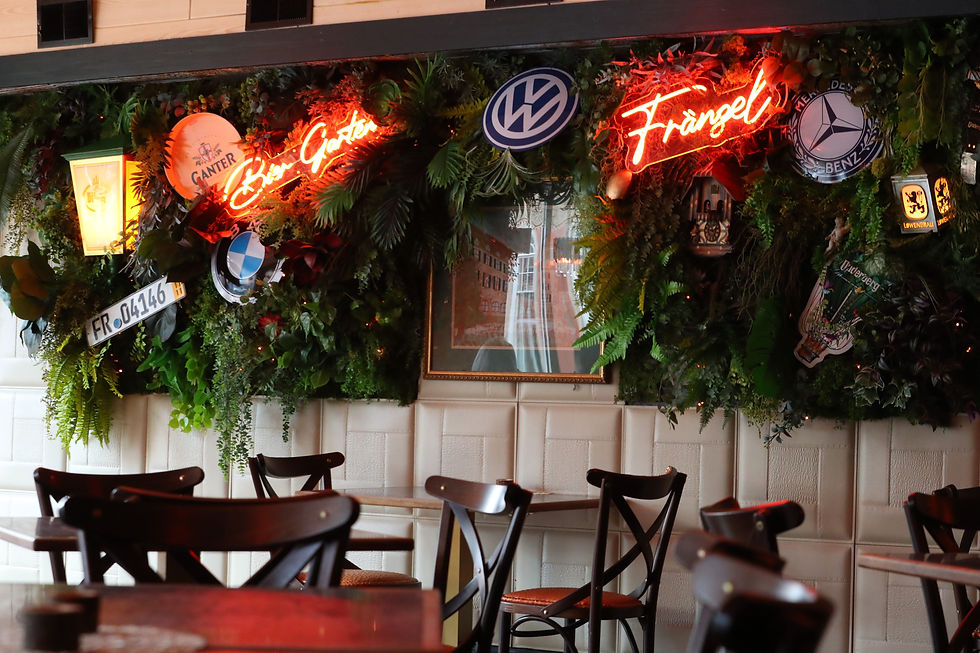
Ever tried a classic Märzen? Or got a favorite local brew around Goshen/Middletown? Drop a comment—I’d love to hear. Swing by Fränzel anytime; we’ve got the perfect German pours to match the stories.
Fränzel
Goshen, NY (right on historic West Main—come say hallo!)


Comments