The Spirited History of Fasnacht in Germany – From Pagan Roots to Festive Parades, and Our Stein Club Kick-Off Celebration!
- Franz Brendle
- Feb 7
- 3 min read
Posted by Franzel Restaurant | February 7, 2026
Helau! Alaaf! Narri-Narro! If you've ever wondered why Germans go all out with costumes, parades, and merrymaking in the dead of winter, it's time to dive into the world of Fasnacht – the Alemannic twist on Germany's beloved Carnival season. Known regionally as Fasching, Karneval, Fasnet or Fastnacht, this "fifth season" is a riot of color, satire, and tradition that bridges ancient pagan rituals with modern-day revelry. At Franzel Restaurant in Goshen, NY, we're channeling that energy into the kick-off of our new Stein Club, complete with Fasnacht-inspired night of live music, carnival masks, beads and an invitation to come in costume. Let's explore the history, how it's celebrated today, and how you can join the fun right here in the Hudson Valley!
A Brief History of Fasnacht: Chasing Away Winter Demons
Fasnacht's origins trace back to pre-Christian times, when ancient Germanic tribes held festivals to scare off winter spirits and welcome spring. People donned fearsome masks, danced wildly, and made noise with bells and drums to banish the cold. Over centuries, this pagan custom merged with Christian traditions, evolving into a pre-Lenten blowout before the fasting period of Lent begins. The name "Fastnacht" literally means "eve of the fast," signaling a final feast of indulgence.
By the Middle Ages, Fasnacht had taken root in southern Germany, especially in Swabian and Alemannic regions like Baden-Württemberg and Franconia. It was mentioned in 13th-century literature, such as Wolfram von Eschenbach's Parzival, and became established in cities like Mainz, Speyer, and Cologne by 1234. These celebrations subverted social norms – think fools taking over city halls or women ruling the day – as a way to poke fun at authority before the solemnity of Lent. After the Reformation, the tradition waned in Protestant areas but thrived in Catholic strongholds in the south and west.
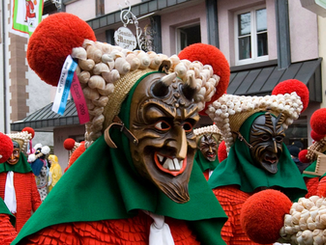
In the 19th century, places like Cologne revived the festivities in 1823, turning them into organized spectacles with parades and satire – sometimes even mocking occupiers like the French or Prussians. Today, Fasnacht honors those roots with elaborate wooden masks and costumes that echo medieval "devil" figures designed to ward off evil.
How Fasnacht is Celebrated in Germany Today: Parades, Parties, and Pure Joy
In modern Germany, Fasnacht kicks off officially on November 11 at 11:11 a.m., but the real action ramps up in February, peaking in the week before Ash Wednesday. It's called the "fifth season" for a reason – a time when everyday rules are flipped, and everyone indulges in feasting, drinking, and disguise before Lent's austerity.
Regional flavors abound:
Rhineland Karneval (e.g., Cologne, Düsseldorf): Massive street parades on Rose Monday (Rosenmontag), with satirical floats mocking politics and current events. Crowds shout "Alaaf!" while tossing candy (Kamelle) from elaborate wagons.
Swabian-Alemannic Fasnacht (e.g., Baden-Württemberg): More traditional, with hand-carved wooden masks depicting witches, devils, and fools. Parades feature "Narren" (fools) in intricate costumes, bells, and whips, crying "Narri-Narro!"
Bavarian Fasching: Balls, costumes, and beer halls come alive with music and dancing. In places like Munich, it's a mix of parades and parties.
Key highlights include Weiberfastnacht (Women's Carnival on Thursday), where women cut men's ties and engage in playful role reversal. The weekend brings masked balls, live music, and feasting on treats like Berliner donuts and beer. Parades draw millions, with costumes ranging from whimsical to elaborate, and satire is king – no topic is off-limits!
It's a celebration of community, creativity, and letting loose – especially in Catholic areas where it's biggest.
Bringing Fasnacht Spirit to Goshen: Kick-Off Franzel's Stein Club!
At Fränzel, we're inspired by Fasnacht's joyful chaos to launch our Stein Club – a members-only group for beer lovers featuring exclusive steins, tastings of German brews, and special events. What better way to kick it off than with a Fasnacht-themed bash? Join us Tuesday February 17th for an evening of authentic German flair:
Fasnacht Masks: We'll have masks available to borrow, channeling those Swabian wooden wonders.
Live Music: Eric Baal (Alpine Squeeze) will be here withToe-tapping polka, folk tunes and more to create that Fasnacht Stimmung (Vibe)

Costumes Encouraged: Come as a fool, witch, or your wildest creation – prizes for the best!
Stein Club Perks: Sign up on the spot for your personalized stein, $2 discounts on pours, and first dibs on future special club member events.
Whether you're German by heritage or just love a good party, this is your chance to experience Fasnacht's magic stateside. Prost to history, tradition, and new beginnings at Franzel!
Follow us on X @Franzelgoshen for updates, and make reservation through the website www.franzelrestaurant.com Bis Bald -See you soon – Narri-Narro!


Comments